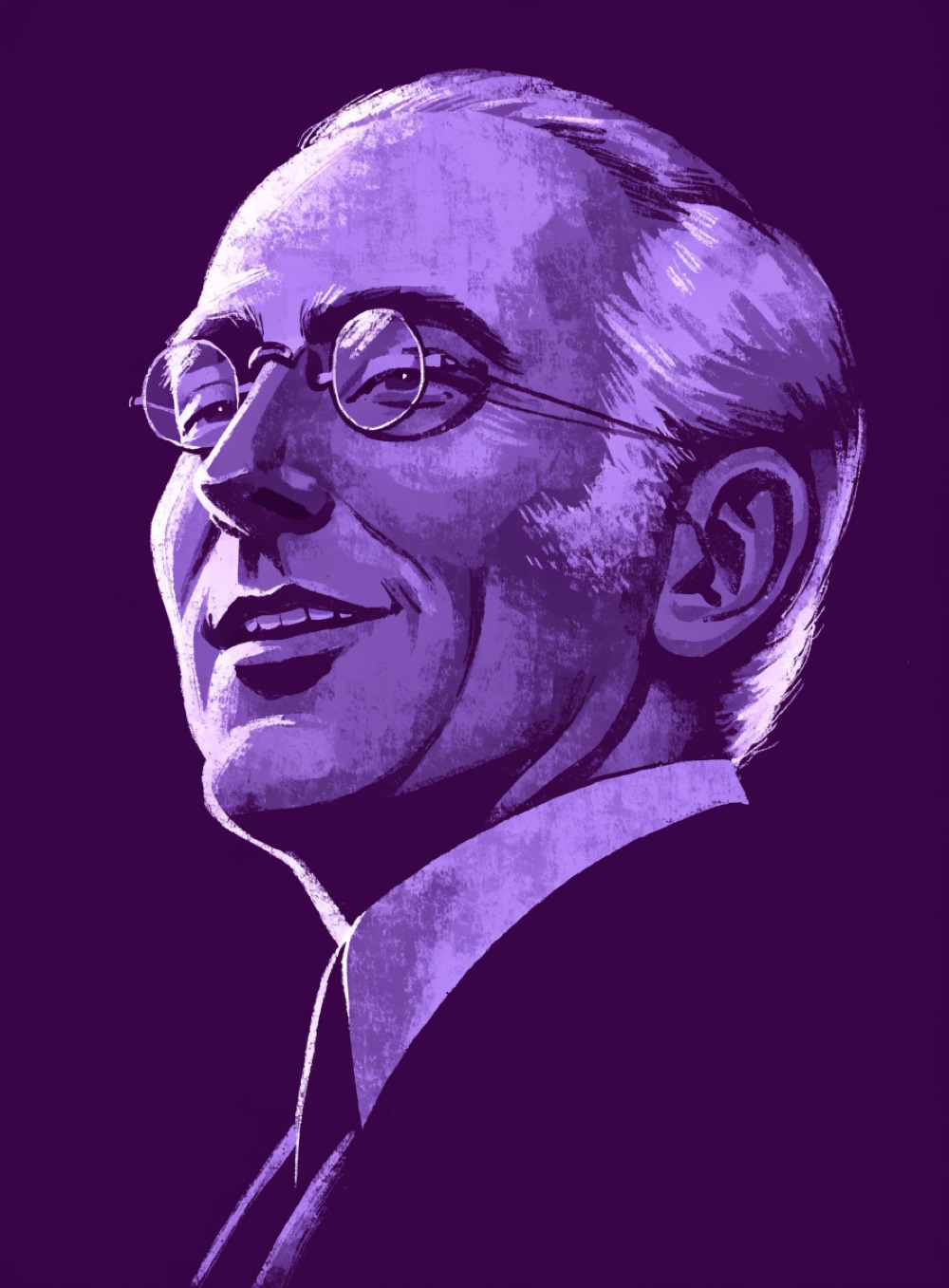
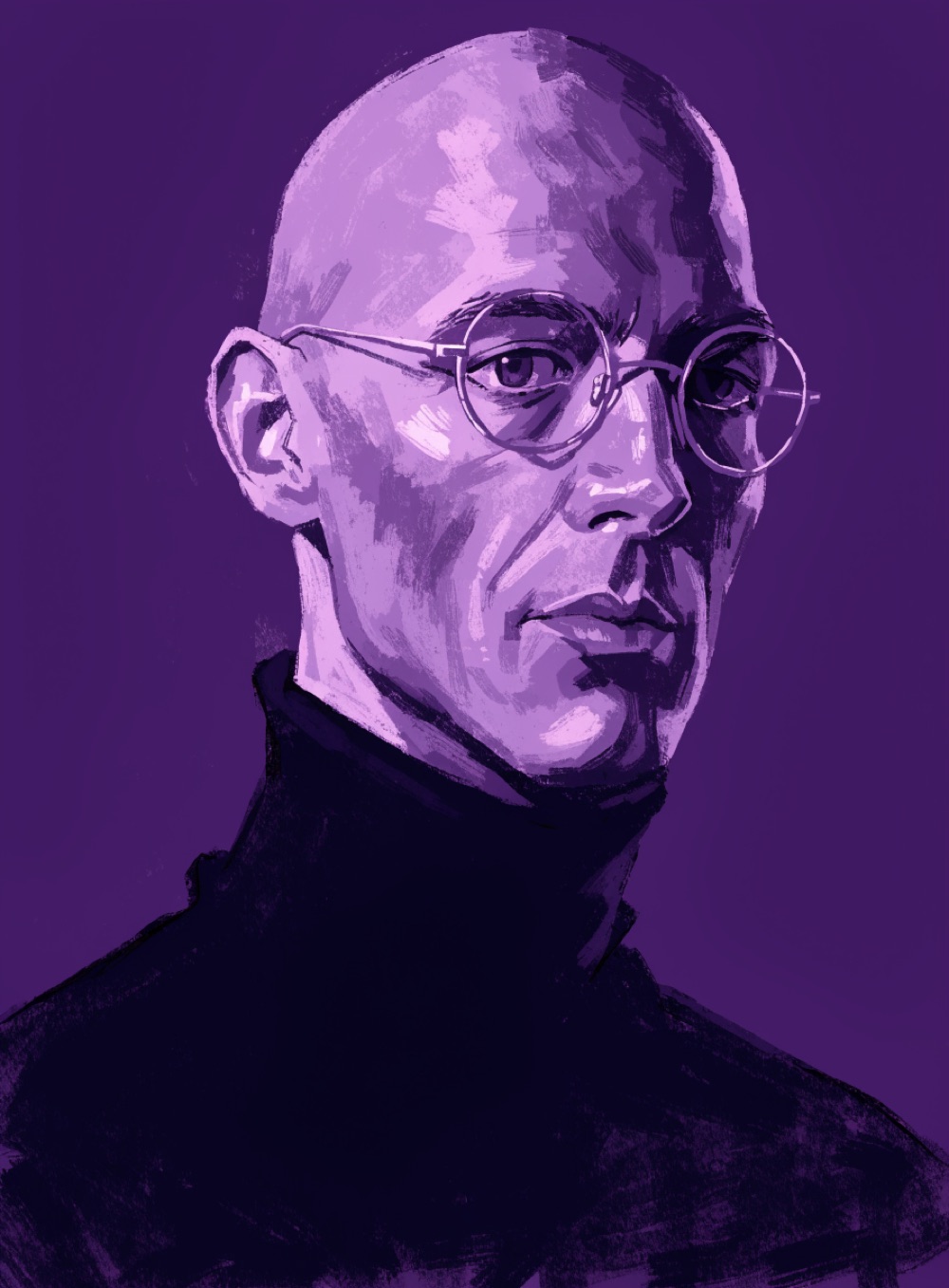
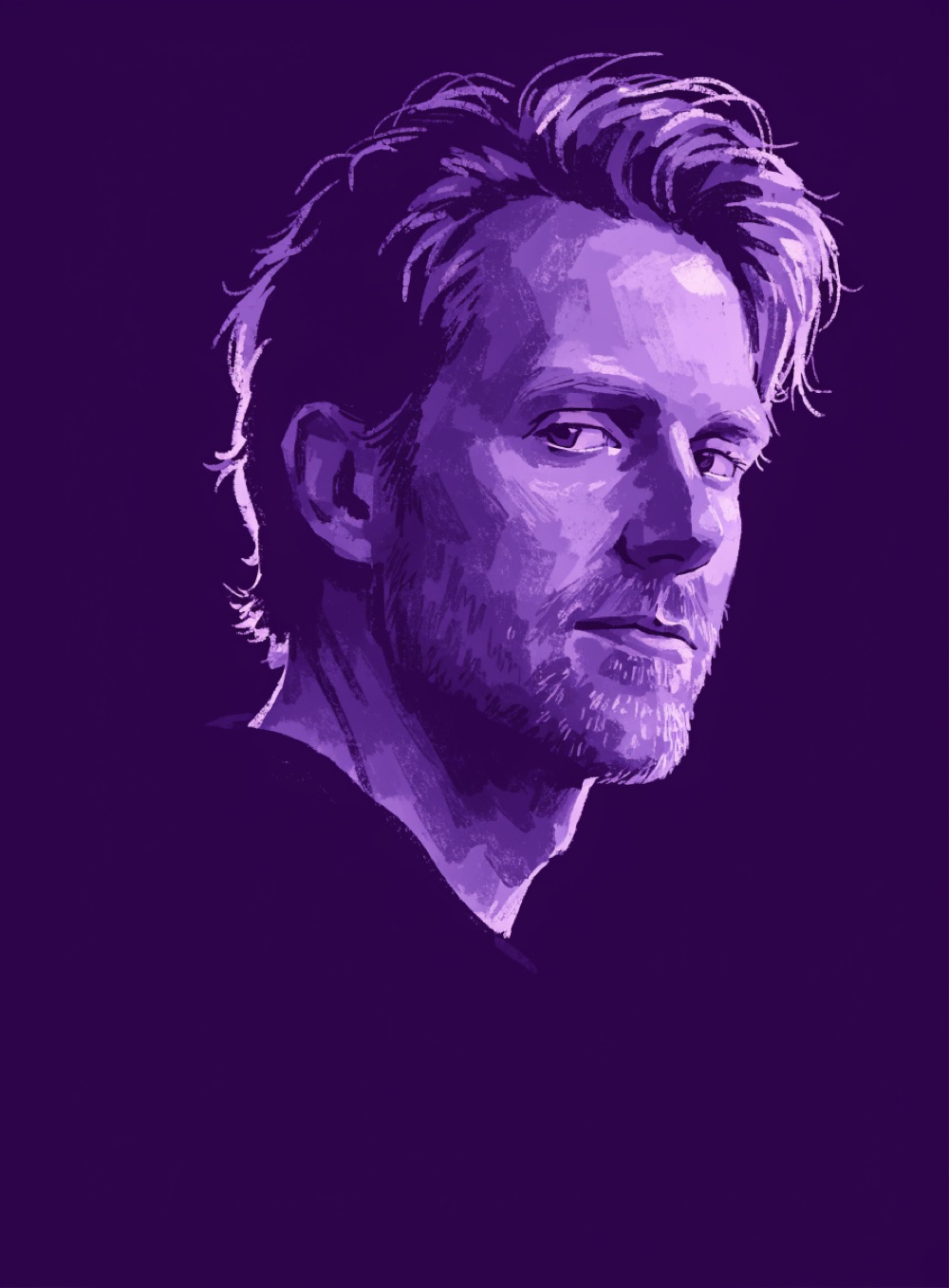
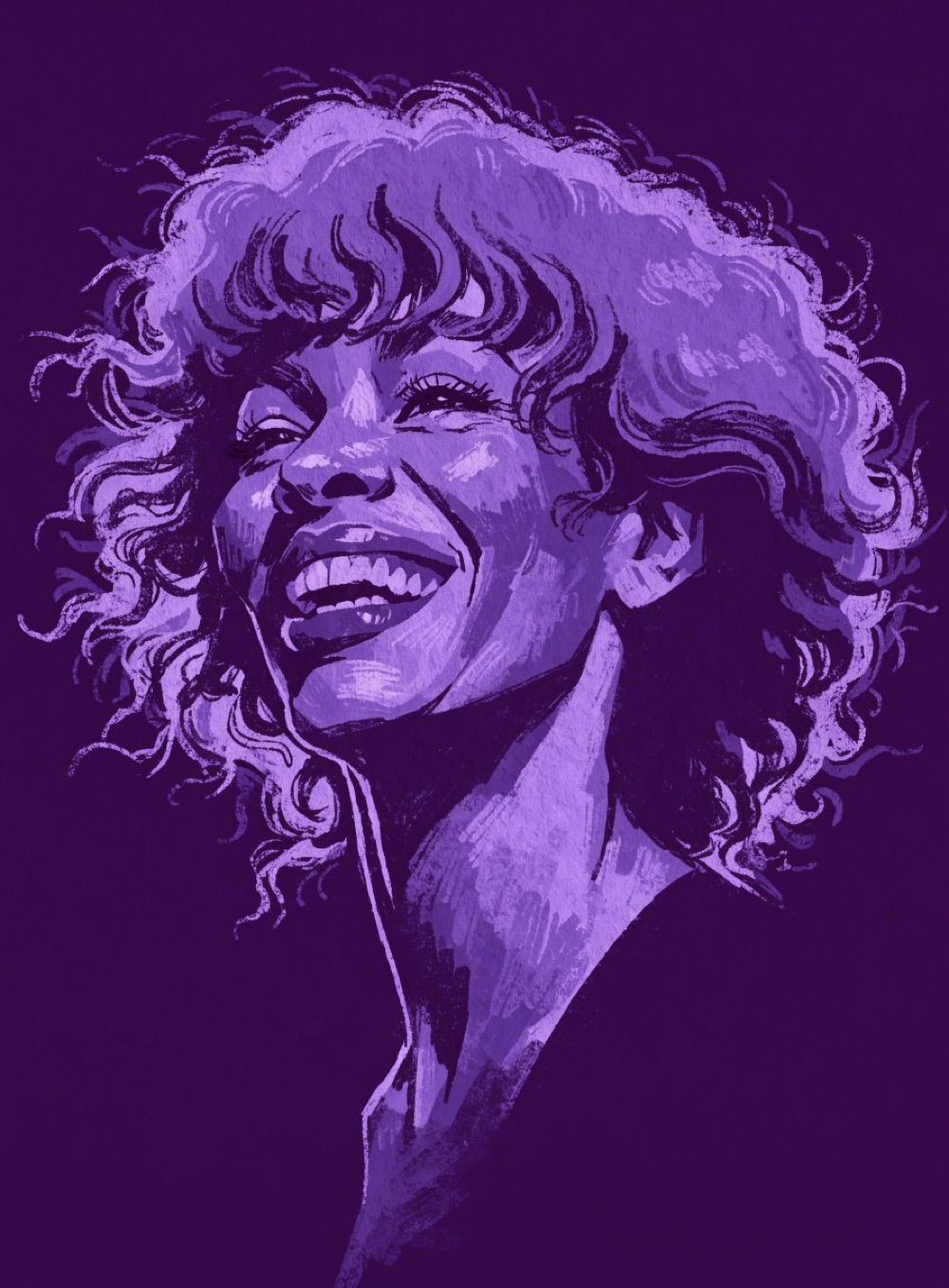
1884–1893, ages 3 to 12. These were the golden years of the only child in a house of doting adults, and your character formed under the warm pressure of enormous attention. Your mother watched you with an intensity that few children experience, and you learned early both the pleasure and the burden of being closely observed. Your voice, your curiosity, your bright quick way of picking up whatever interested you — all this was cultivated in tutors' rooms, in the family library, on the grounds of the estate. The chapter built the foundation of your confidence, the sense that the world was fundamentally friendly, that you belonged in whatever room you entered. The cost, quietly, was that you did not learn how to lose, because you were not given many chances to.
1894–1903, ages 13 to 22. You went out into the world of school and college, and you discovered that among your peers you were not automatically first. This chapter tested your standing among equals, and you responded by learning the arts of the outsider-insider: charm, joining, membership, working the room. You were not the brilliant student; you were the well-liked one, the one who edited the paper, the one who understood how organizations worked. You began, in these years, the lifelong study of how power moves through committees, through clubs, through networks of trust. It was also here that you first fell in love, and here that the shape of your adult self — sociable, ambitious, harder to know than to like — locked into place.
1904–1913, ages 23 to 32. The great chapter of your marriage. You chose a woman whom no one, including perhaps yourself, fully understood at the time — a woman of moral seriousness, of homely appearance by the standards of your set, of a depth that would take you decades to appreciate. Marriage arrived early and children arrived quickly, and you lived these years as a young husband and father while beginning to build a public career. The chapter had its shadows: the mother-in-law who was your own mother remained a powerful presence in your household, and the intimacy between you and your wife was tested from the beginning by that arrangement. There were the first political stirrings, the first public offices, the first taste of what your voice could do from a platform. But love in this chapter was more complicated than you had imagined, and by its end, a private wound had opened that would change the shape of your marriage forever.
1914–1923, ages 33 to 42. The chapter of rising force, then of catastrophe. You climbed rapidly in national office during the war years, you traveled, you were spoken of as a man to watch. Your energy in this period was extraordinary — you were building the public figure the country would later come to know. Then, at the very end of the chapter, the illness struck. In the summer of 1921, in cold water, in an instant that divided your life into before and after, you were felled. The months that followed were the hardest of your life, and the emerging power of the previous years seemed to collapse into a bedridden man learning again how to sit up. And yet — this chapter, precisely because it broke you, made you. The man who came out of that sickroom was deeper, patient, harder to shake, and possessed of a private understanding of suffering that gave his political voice a resonance it had never had before.
1924–1933, ages 43 to 52. The great climb back, and the peak of your fortunes. You spent the first half of this chapter in careful, disciplined recovery and quiet preparation, building financial security and rehearsing, in private, the return to public life. Then, in its second half, you rose — governorship, national attention, and finally, at the chapter's close, the highest office in the land, won on a wave of national desperation that matched your own hard-won capacity to speak of hope. This was, by the measurements of the chart, the strongest chapter of your life for material and worldly reach. Your voice was ready when the country needed it; the two collided at exactly the right hour. You entered the presidency as this chapter ended, and you did so as a man who had already survived what would have killed most others.